Flexible mica sheet is a versatile material that offers a range of benefits for a variety of applications. The mica, a group of silicate minerals known as sheet silicates because of their formation in distinct layers, are light, relatively soft, and have excellent heat resistance and non-conductive properties. There are 37 different mica minerals, including lepidolite, biotite, phlogopite, and muscovite. At Elmelin, our insulation solutions use mica as a core component, harnessing the physical and chemical properties of mica to provide our solutions with superior insulating qualities.
Mica sheets come in two different mineral types, muscovite and phlogopite, and each of these can come in both rigid and flexible sheets. The purpose of the insulation will determine whether rigid or flexible will be most suitable, whereas the difference between muscovite and phlogopite predominantly comes down to the poorer electrical resistance but greater flexibility of phlogopite. Flexible mica sheets will often be stored and transported in rolls, with ours coming in two different grades, MF SSP (Phlogopite mica) and MF SSM (Muscovite mica).
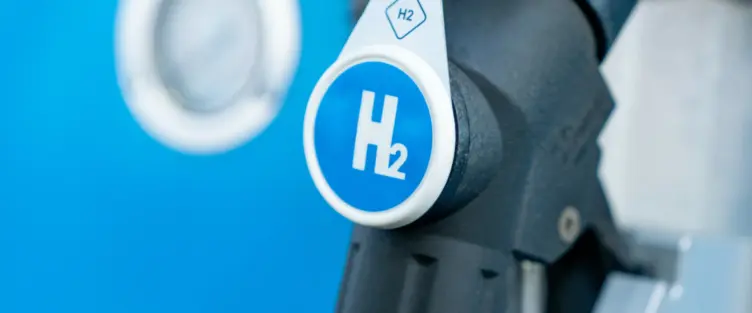
Hydrogen fuel cells have had a long and complex history from their initial theorisation to conception. It’s believed that the earliest hydrogen fuel cell to be invented was back in 1842 by Welsh physicist William Grove, and the technology used to maximise power generation and performance has continued to evolve. A major breakthrough occurred in the 1990s by fuel cell industry giants Ballard Power Systems, where their fuel cell stack achieved a power density of 700 watts per kilogram. This 700w/kg was enough to begin rivalling traditional petroleum-based engines from a performance perspective, before even being implemented into much larger automobiles such as buses and trams.
Since then, we’ve seen researchers and manufacturers from all over the world announcing further progress in the development of hydrogen fuel cell technology. There have been times where it looked as though hydrogen fuel cell cars would be the next big step for the automotive sector, but even now it still hasn’t materialised. With the recent global shift to becoming more environmentally-conscious and prioritising sustainable development, now would’ve been the perfect time for hydrogen fuel cell cars to become widely available for everyday use. So it’s worth asking, why are we still not seeing hydrogen fuel cars on our roads?
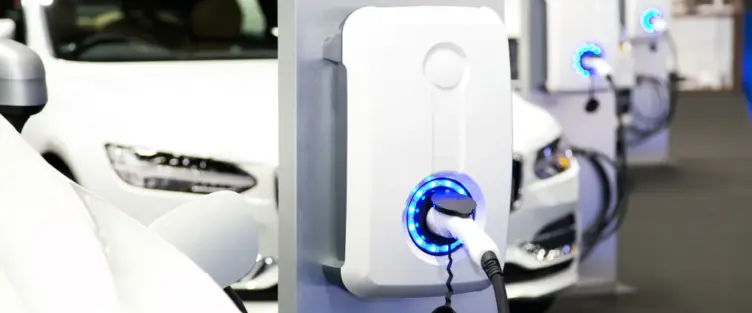
Artificial intelligence (AI) has revolutionised various industries, and the automotive sector is no exception. Electric vehicles (EVs) have gained significant popularity in recent years due to their environmental benefits and technological advancements. However, the efficient charging of EVs remains a challenge. This is where AI in electric vehicles comes into play, offering innovative solutions to improve charging infrastructure and optimise the overall EV experience.
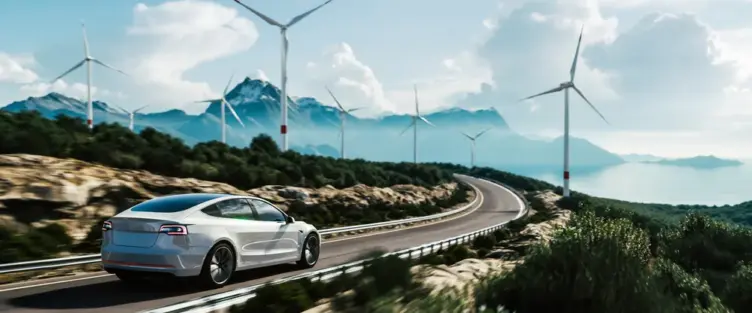
Not so long ago, having AI as a core feature within a car might’ve only been seen in the very top-end range of vehicles, such as Teslas when they initially broke onto the market. These days, all of the major automotive manufacturers are designing and releasing EVs that harness technology for both the vehicle owners, creating a truly modern driving experience, and the environmental implications of reaching net zero and limiting fossil fuel consumption.
The global charging network has been under significant pressure to meet the demands of charging station accessibility for EV owners. Between 2021 and 2022, there was a 55% increase in the number of public charging stations worldwide, and the trend isn’t showing signs of slowing down. In 2023, EV charging remains a critical topic in the automotive sector, with solutions still being developed to further reduce charging times and increase safety, but what role does AI have to play?
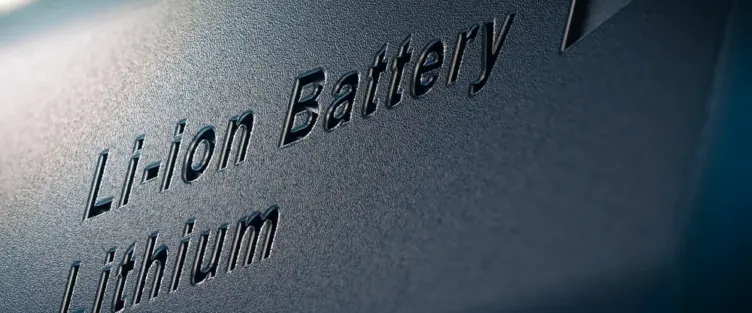
Lithium-ion batteries have become an integral part of our lives, powering our smartphones, laptops, electric vehicles, and even renewable energy systems. There are multiple reasons why they’re so found in so many of our products, from their higher energy density and low self-discharge rates to the impressive recharging capabilities. In fact, the lithium-ion battery market is projected to grow a further 18.9% between now and 2030, reaching upwards of 57 billion USD. However, with the increasing use of lithium-ion batteries, ensuring safety has become a key concern amidst numerous reports of issues occurring, from globally renowned product recalls following battery problems to local UK news stories of people coming into ownership of counterfeit products containing unregulated lithium-ion batteries. …
Reaching net zero is a goal for many organisations working within the manufacturing or an industrial setting, including ourselves. The movement has already yielded positive results as the number of contributors increases with each passing year. For Elmelin, we are intent on limiting our output of greenhouse gas emissions and continuing to support the hard work being carried out by the likes of the Responsible Mica Initiative to ensure the sustainable sourcing of mica. The industrial sector can have a major impact on reaching sustainability goals, with a noteworthy focus of the SDGs set out by the United Nations being placed on advancing energy-efficient technologies and sustainable industrialisation (SDG9).
Industrial insulation has been a staple for Elmelin over the years and it’s an area we continue to work in. Playing a vital role in maintaining energy efficiency and improving the useful life of industrial machinery, industrial insulation has seen new materials and solutions being developed to further enhance its effectiveness. At Elmelin, we specialise in industrial insulation which is fronted by Elmtherm, an innovative solution that not only reduces energy consumption and carbon footprint, but also has an impressive return on investment. We’ll explore Elmtherm in more detail later but for now, we’ll discuss the benefits of sustainable industrial insulation and why it should be invested in.
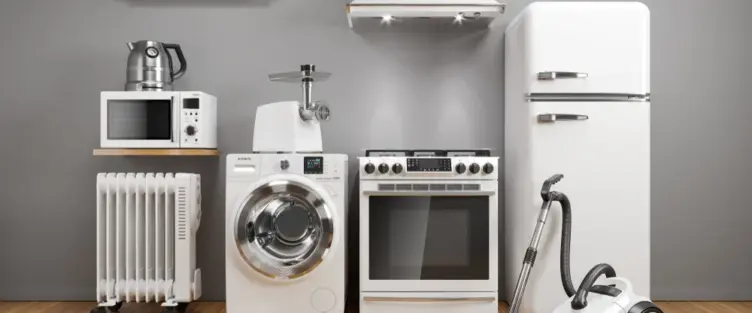
Consumer appliances play a big role in our lives, from providing us comfort to essential services. Without a kettle or stove, how would we make our warm cuppas on cold winter mornings? It’s a scary thought… But for many UK homeowners, the cost of living crisis is taking a toll and the use of many products mean higher consumer appliance costs. This is heightened by appliances that aren’t designed and manufactured to be efficient, both in performance and energy use.
Insulation is a critical component in consumer appliances that helps regulate temperature, increase useful life, and improve overall efficiency. It essentially acts as a barrier, or buffer, preventing the transfer of heat from the appliance’s interior to the surrounding environment or vice versa. By reducing heat loss or gain, insulation improves end-user safety and minimises the need for excessive energy consumption, thereby lowering energy bills and extending the lifespan of appliances.
The development of EV batteries has come a significant distance when compared to the earlier models from only a decade ago. Advancements in battery technology have led to increased energy densities and longer driving ranges, with indications of ranges tripling over the past decade. One aspect that remains a challenge is the weight of these batteries, however there are positive and exciting indications that the research and development within this field have managed to find commercially viable solutions.
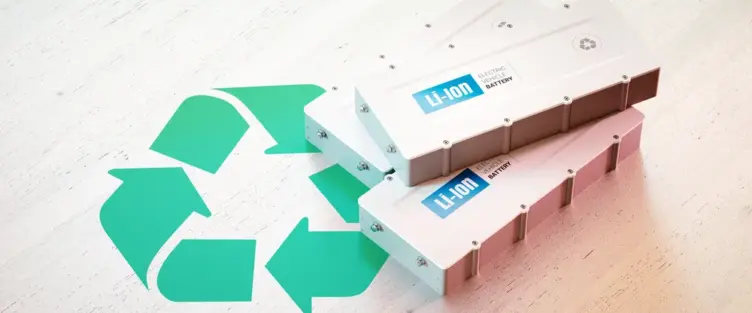
As the world embraces renewable energy and electric vehicles (EVs), the demand for lithium-ion batteries continues to surge, but so does the pressure from the growing sustainability concerns of battery recycling and end-of-life processing. EV battery waste is now a global priority, with over 15 million tonnes of waste lithium-ion batteries predicted to be produced by 2030. Many of the metals and elements found within lithium-ion batteries are toxic and harmful to the environment, so the race to find recycling solutions is hotting up.
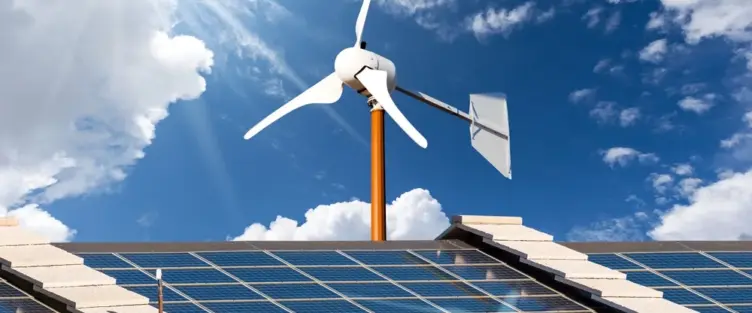
As homeowners continue to seek out cleaner energy, domestic energy storage systems have become an increasingly attractive proposition. Not only do they offer a sustainable alternative, but we’re beginning to see signs of financial benefits as well. These systems can now harness intelligent software that coordinates energy production and helps users decide when to store excess energy or release it to the grid. However, with the increasing adoption of these systems, it is crucial to prioritise safety to ensure the well-being of homeowners. There are various safety considerations, common concerns and technologies associated with domestic battery energy storage systems that are worth considering.