How will COVID affect the electric vehicle market?

How will COVID affect the electric vehicle market?

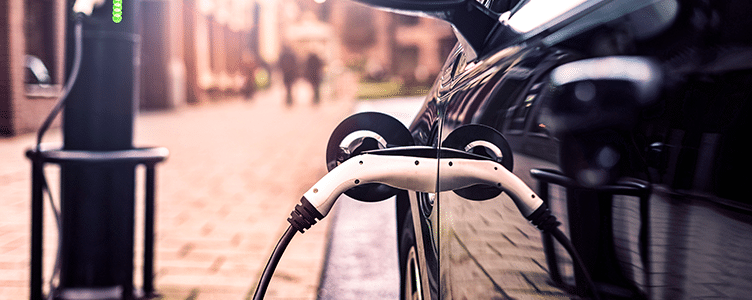
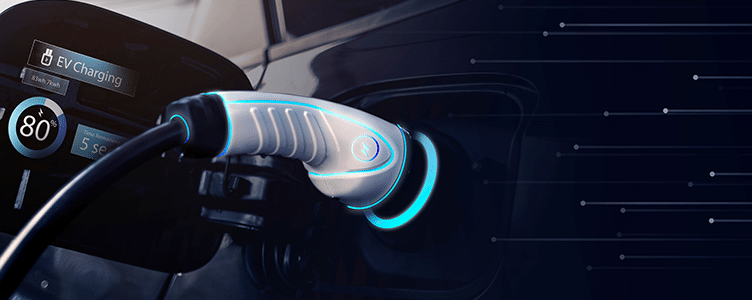
As part of the global initiative to combat climate change, the sale of non-electric vehicles will be banned in 9 countries by 2030. In the UK, where the date is currently 2035, there has been talk of bringing this forward to 2030. Some countries have plans for earlier bans – such as Norway, which plans to phase them out by 2025, and Austria, who planned to stop the sale of them this year. These initiatives and benchmarks have proven to be the impetus behind legislation, innovation and movement in the electric vehicle market over the last couple of years.
How mica insulation can help improve safety

How mica insulation can help improve safety

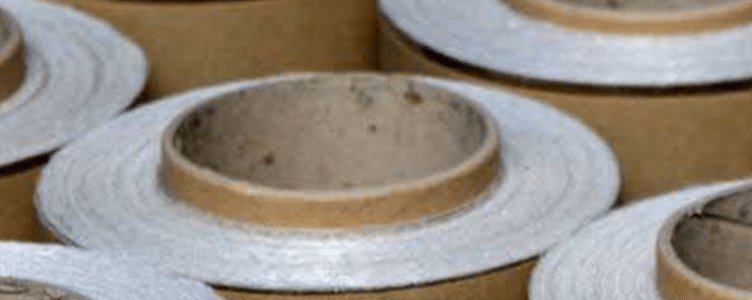
The right insulation solution can help to increase efficiency, extend the useful life of the system or equipment, and help to reduce maintenance costs. Perhaps most importantly, having the right insulation solution can ensure the safety of anyone operating the equipment – protecting them from high voltages and/or high temperatures. Mica’s unique thermal, electrical and physical properties make it ideal for use as an insulation solution in a number of applications. Mica-based insulation can withstand up to 1000°C, and 2000 volts before breaking down, meaning it can offer vital protection in high temperature and high voltage situations. With that in mind, let’s take a look at how insulation can help to improve safety in a number of applications.

Heat dissipation and insulation: what you need to know

Heat dissipation and insulation: what you need to know

Heat dissipation is an unavoidable but nonetheless negative side effect of a number of processes in a range of industries – from forging steel to powering an electric vehicle. Heat dissipation and insulation both need to be considered for ensuring maximum safety.

A number of factors can affect heat transfer. It’s important to understand what these factors and outcomes are in order to find the right way to address the heat dissipation with the right insulation.

Here’s what you need to know about heat dissipation, and how thermal insulation can help address it.

Mica’s use in consumer appliances

Mica’s use in consumer appliances

We produce mica-based insulation solutions for everything from aeroplane components to massive induction furnaces. Mica’s superior properties as a thermal and electrical insulator make it ideal for these large-scale industrial applications. But it’s also incredibly versatile, easy to cut, shape and mass produce to be used in appliances and devices we use everyday. 

Let’s take a look at how mica is used as insulation in consumer appliances, and why it’s an ideal choice.

Building a resilient supply chain

Building a resilient supply chain

The effects of the COVID-19 pandemic have been felt keenly across the global economy. Combining this with large shifts in geopolitical policy, every single industry has been impacted, and has been experiencing delays and problems with their supply chain. The US is entrenching an ever-deepening trade war with China and the UK has decided to leave the European Union. Therefore for many manufacturing companies, building a resilient supply chain will become more critical than ever.

Addressing electric vehicle safety concerns

Addressing electric vehicle safety concerns

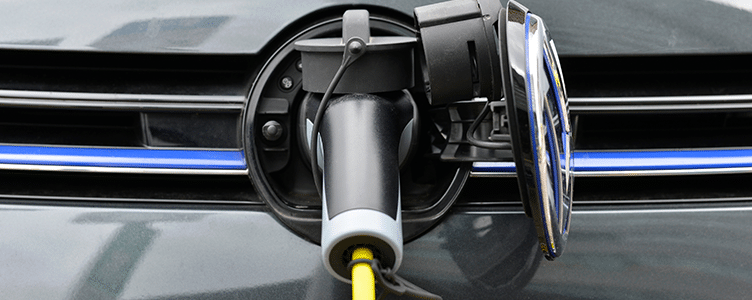
The probability of an electric vehicle (EV) catching fire is significantly lower than that of an internal combustion engine (ICE) vehicle. According to the Fatality Analysis Reporting System, between 1993 and 2013 in the US, fires occurred in 2.6% of EVs, and in 4.4% of ICE vehicles. However, over the last few years as EVs have become more prominent, there have been well-publicised issues with fire occurring in electric vehicles – with Tesla being the worst hit. Risk is abundant in any motor vehicle – but it’s essential to understand the unique risks involved with manufacturing and operating EVs, and how they can be mitigated. Here are some electric vehicle safety concerns around battery damage and fire risk and how they can be addressed.

3 ways mica can be adapted and used for various applications

3 ways mica can be adapted and used for various applications

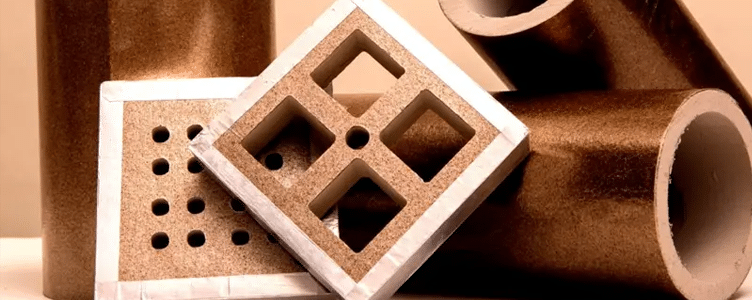
Mica is an incredibly versatile and flexible material. Due to its unique physical, electrical and thermal properties, it makes an ideal insulation material. Across the broad requirements of industry, there are billions of machines, components and products that need to be insulated – all requiring a slightly different approach, and slightly different material. Because mica is so versatile, it can be adapted into various applications through cutting, shaping and combining with other substances to create unique insulation solutions.

Here are 3 ways in which mica is commonly adapted for use in various applications.

How we work with R&D departments to create insulation solutions

How we work with R&D departments to create insulation solutions

A vital component of our work as an insulation solutions provider is to help our customers innovate. As technologies in many industries change rapidly to uncover new capabilities, it’s essential that the new risks and challenges are assessed, particularly when it comes to insulation and deciding on which material or combination of materials will help to achieve the desired – and required – results. We are consistently working closely with customer and partner research and development (R&D) teams in order to help them navigate changing requirements and emerging innovations to help them make a better, safer and more efficient product.

What is thermal runaway and how can it be addressed?

What is thermal runaway and how can it be addressed?

Thermal runaway is a significant risk present in batteries. It occurs due to a battery cell failure of some kind, occasionally as simple as the separator between the anode and the electrolyte breaking down. This generates an increase in temperature, creating a chain reaction in which more energy is released, causing the electrolyte to break down into flammable gasses. Once the separator melts, the cathode of the battery breaks down further fuelling the fire with oxygen, triggering an uncontrolled positive feedback loop, often leading to a destructive result. The risk of thermal runaway begins at 60°C and becomes extremely critical at 100°C. Once the process has begun, temperatures rise rapidly within milliseconds – creating temperatures of around 400°C. It is particularly prevalent in lithium-ion batteries.