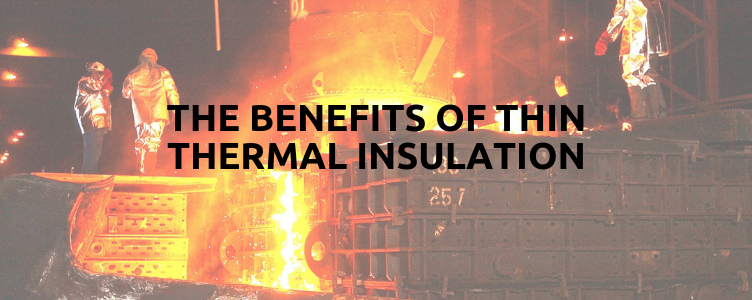
Thermal insulation is an essential process across a range of industries, but for many of its applications, there are also practical considerations to do with cost, as well as efficiency and adaptability. This is why thin thermal insulation is becoming a key area of research and development.
Thermal management for electronics is critical where electronic components produce significant amounts of heat. Where this is the case, effective thermal management will prolong the working life of these components and also increase their reliability. Such components include power transistors, CPUs (central processing units) and power diodes used in the power electronics industry. For thermal management, mica offers adaptability and flexibility combined with high resistivity and stability. As an insulating material which will not conduct electricity, it is well suited in a wide range of applications in electronics.
Thermal management materials are essential in automotives, and this applies to emerging and developing automotive technology as much as it does established applications.
Investing in R&D is investing in creativity, but why then invest in creativity? The Royal Society points out to invest in R and D is to ultimately increase the stock of knowledge.
Two of the main routes
for businesses looking to innovate through product development are knowledge
transfer partnerships and R&D tax relief, but if you want to innovate and
develop, which will work best for you?